Yes.

A Minnesota governor can make a temporary appointment to fill a U.S. Senate vacancy, according to state statute, and the law doesn’t prohibit self selection.
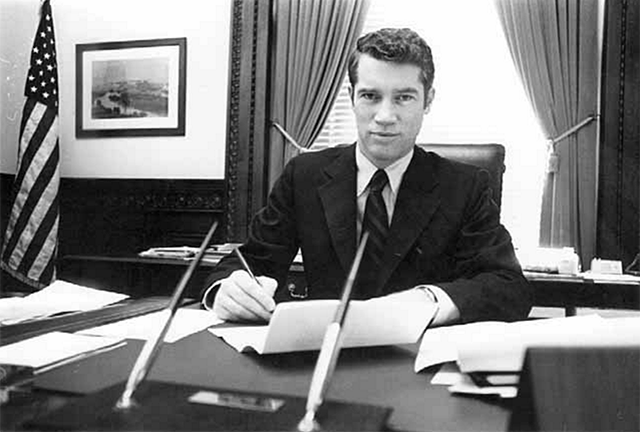
State law also doesn’t bar a governor from being appointed by a successor, as happened in 1976. A domino effect leading to this scenario began after Sen. Walter Mondale vacated his seat to become vice president under Jimmy Carter, who had recently been elected. DFL Gov. Wendell Anderson resigned and his successor, Rudy Perpich, appointed Anderson to replace Mondale in the Senate.
An appointed senator’s term generally lasts until the next scheduled November election. Anderson’s so-called “self appointment” proved to be unpopular, contributing to his loss to Republican Rudy Boschwitz in 1978. That election, in which the DFL lost both U.S. Senate seats and the governor’s office, became known as the Minnesota Massacre.
This fact brief is responsive to conversations such as this one.
MinnPost partners with Gigafact to produce fact briefs — bite-sized fact checks of trending claims. Read our methodology to learn how we check claims.
Sources
- Minnesota Statutes 204D.28 United States Senate Vacancy; Manner of filling
- MinnPost The lessons, and mystery, of Wendell Anderson’s political career
- Minnesota Historical Society Minnesota Massacre (1978 election)
The post Could a Minnesota governor appoint themself to fill a vacant U.S. Senate seat? appeared first on MinnPost.
 MinnPost is a nonprofit online newspaper in Minneapolis, founded in 2007, with a focus on Minnesota news.
Last updated from