Opioid overdose deaths declined in Minnesota for the third consecutive year in 2025, according to new data from the Minnesota Department of Health. However, overall drug overdose deaths increased, largely due to a rise in fatalities associated with stimulants such as methamphetamine and cocaine.
A report released Tuesday shows the number of opioid-involved overdose deaths dropped to 671 in 2025, down from a peak of 1,039 in 2022. Nonfatal hospitalizations related to opioids also decreased, falling from 3,685 in 2024 to 3,617 last year.
Despite the reduction in opioid-related deaths, total drug overdose deaths rose by 3 percent, from 994 in 2024 to 1,025 in 2025. The health department attributes this increase to a rise in deaths involving stimulants. Additionally, hospitalizations for nonfatal stimulant overdoses also saw an uptick.
For every one Minnesotan who died of a drug overdose in 2025, 14 others were treated in a hospital and survived, according to the report.
“We continue to see progress on preventing deadly opioid overdoses with our comprehensive public health approach involving prevention, naloxone, treatment, harm reduction and recovery services,” said Dr. Brooke Cunningham, Minnesota’s health commissioner. She emphasized the need to sustain this progress while addressing the health risks of increased stimulant use.
New alert system aims to help communities respond faster
To help communities respond more quickly to opioid-related overdose spikes and emerging drug threats, the Minnesota Department of Health and the Minnesota Office of Emergency Medical Services launched MN-OD-ALERTS, a statewide alert system on Oct. 1. This system uses emergency medical services data, hospital records, and community reports to identify concerning trends and alert local and tribal public health officials in real-time. So far, 76 out of Minnesota’s 87 counties have provided contacts for the system.
“By using EMS data to identify emerging overdose trends, MN-OD-ALERTS gives public health and community partners an opportunity to act earlier, before a concerning trend becomes a larger crisis,” said Dylan Ferguson, director of the Minnesota Office of Emergency Medical Services.
Health department officials say the system, which was funded by the state Legislature, builds on existing efforts to improve overdose tracking and helps communities respond more quickly.
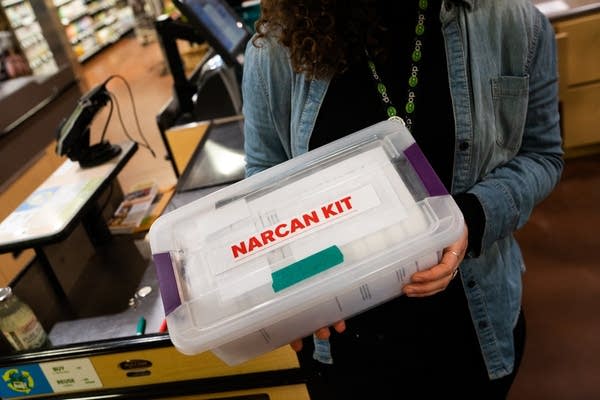
Health officials said the continued decline in opioid-related deaths suggests prevention and treatment efforts, such as peer recovery services, syringe service programs and expanded access to naloxone, a medication that can reverse opioid overdoses, are making a difference, but the increase in stimulant-related deaths presents a growing challenge.
State officials say that sustaining this progress will require communities to keep adapting their prevention, treatment and recovery efforts as the drug epidemic evolves.
Minnesotans seeking free support for mental health concerns or alcohol or drug use can call the 988 Minnesota Lifeline.
Collected from Minnesota Public Radio News. View original source here.
 Minnesota Public Radio (MPR) is a public radio network for the US state of Minnesota. With its three services, MPR News, YourClassical MPR and The Current, MPR operates a 46-station regional radio network in the upper Midwest.
Last updated from